Mahout Charged After Elephant Kills Tourist in Thailand

A mahout in Thailand has been charged with negligence following a tragic incident in which a 22-year-old Spanish tourist, Blanca Ojanguren García, lost her life. The unfortunate event took place at the Koh Yao Elephant Care Centre, where Ojanguren was severely injured while bathing with a 45-year-old female elephant named Phang Somboon. Regrettably, she succumbed to her injuries and passed away in the hospital shortly after.

This incident has reignited serious concerns regarding the safety protocols and ethical standards within Thailand’s booming elephant tourism industry. Critics, including animal rights activists, argue that such interactive activities disrupt the natural behaviors of elephants, leading to heightened stress levels among these majestic animals. Such stress not only poses risks to the elephants but can easily result in dangerous encounters with tourists.
The Ongoing Debate about Elephant Tourism Ethics

The tragic death of Ojanguren serves as a stark reminder of the ongoing debates surrounding the ethical treatment of elephants within the tourism sector. Animal rights groups point to this incident as evidence of a larger problem: the commercialization of elephants, which often leads to their mistreatment and hazardous conditions. Critics argue that the intense focus on entertainment and tourist engagement ignores the fundamental needs of the animals, raising ethical questions about the motivations behind elephant tourism.

Elephants in captivity often face challenges that affect their well-being, including limited roaming space and inadequate mental stimulation. These factors can contribute to erratic behavior, making potentially dangerous situations more likely to occur. Following Ojanguren’s tragic accident, there have been calls for stricter regulations and improved welfare standards for elephants used in tourism, urging operators to reconsider their practices in favor of more ethical approaches.
Legal Consequences for Mahouts and Operators
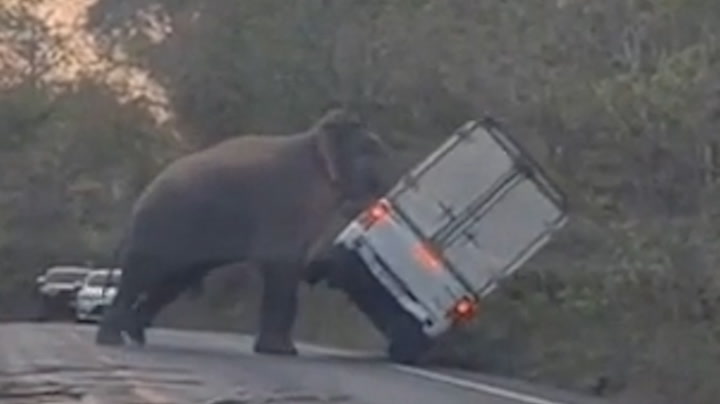
The legal implications of this incident are significant, as the mahout has now been charged with negligence. Legal actions in similar cases in the past have shown that mahouts can face serious repercussions for their roles in injuries or fatalities resulting from interactions between elephants and tourists. This has prompted discussions about the responsibilities of mahouts and the need for better training and education regarding elephant behavior and safety measures.

Ojanguren, a law and international relations student from Spain, had only recently arrived in Thailand when the tragedy occurred. The Spanish consulate in Bangkok is currently supporting Ojanguren’s family as they navigate this devastating reality. This underscores the urgent need for enhanced safety measures in tourist settings where human-elephant interactions occur.
As discussions continue about the plight of elephants in tourism, it is crucial for stakeholders—including tourism operators, mahouts, government agencies, and animal welfare organizations—to collaborate on establishing rigorous guidelines that prioritize both human and elephant safety.
Conclusion
The tragic death of Blanca Ojanguren García highlights the critical need for reforms in Thailand’s elephant tourism industry. It serves as a call to action for stakeholders to implement better safety measures and ethical practices to ensure the well-being of both tourists and elephants. If you are concerned about the welfare of elephants in tourism, consider supporting organizations dedicated to their protection and advocating for ethical practices in the industry.