Trump Signs Controversial Order Addressing Political Prosecutions

On April 24, 2025, former President Donald Trump made headlines by signing a series of executive orders designed to address what he terms “politically motivated” prosecutions. Among the orders, one stands out for its focus on granting clemency to pro-life activists who found themselves imprisoned during President Biden’s administration. This course of action underscores Trump’s unwavering dedication to challenging what he perceives as an unjust judicial landscape influenced by political ideology.
Repercussions of Trump’s Executive Actions
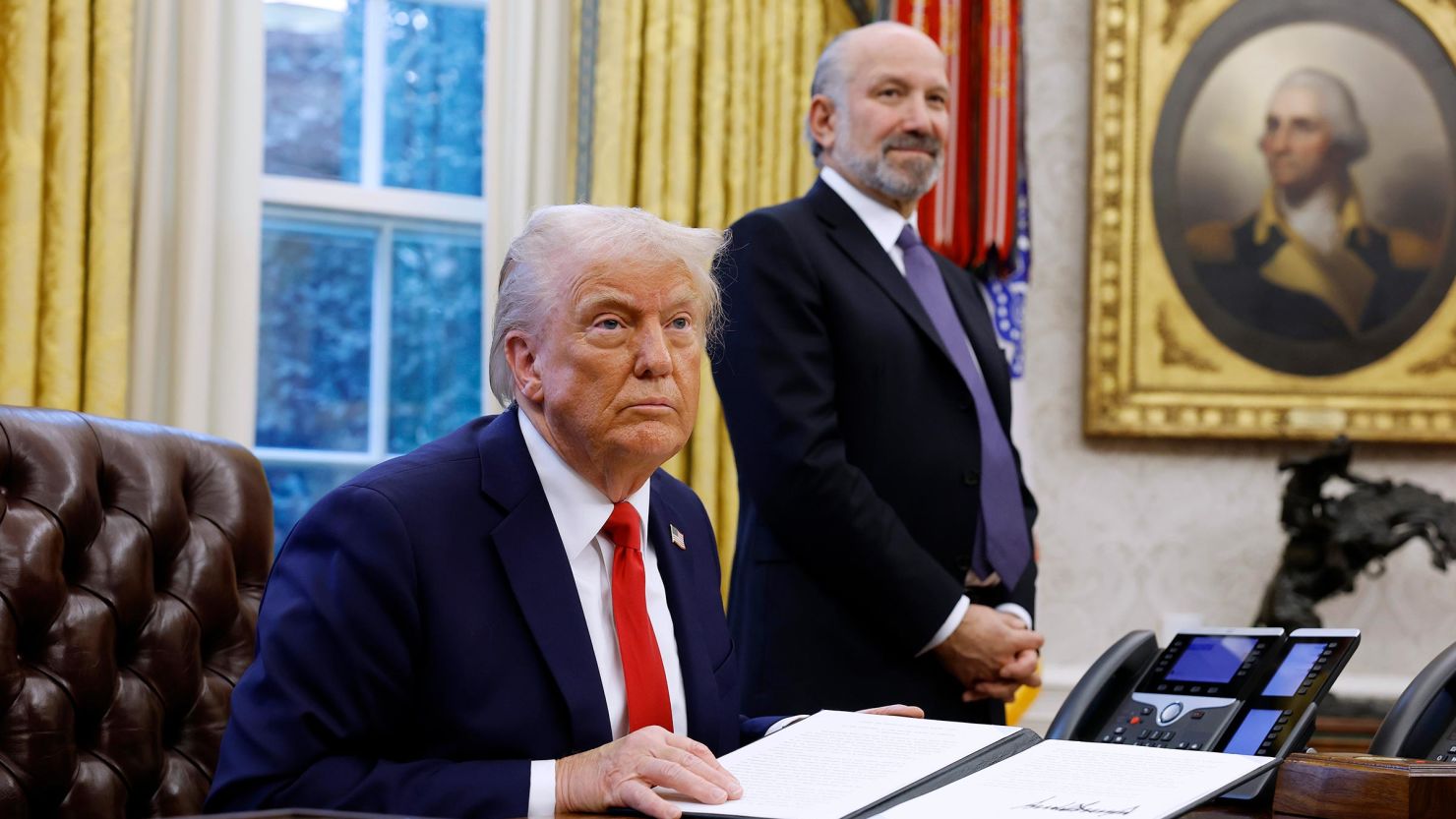
The signing of this executive order has sparked intense debates across the political spectrum. Supporters of Trump laud this decision as a fulfillment of his long-promised commitment to challenge the prevailing political narrative that they believe unfairly targets conservative activists. Advocates within Trump’s camp argue that the clemency is a necessary measure to restore justice for individuals who have faced legal repercussions primarily based on their ideological convictions.
Conversely, critics are voicing strong opposition. Democratic leaders and numerous civil rights organizations have condemned the action, warning it represents a severe encroachment on judicial integrity. They argue that blending the justice system with the political affiliations of individuals violates foundational democratic principles. This order, they argue, sends a signal that the law can be selectively applied based on political loyalties rather than objective standards.
Political Implications and Broader Agenda

Trump’s executive order addressing political prosecutions is more than a legal maneuver; it is also a strategic maneuver within the broader political landscape. By emphasizing issues of free speech and religious liberty, Trump is not only reinforcing his support base but also shaping the Republican Party’s narrative heading into future elections. He has consistently highlighted these principles during his presidency and maintained that defending them is essential to American democracy.
The clemency offered by Trump aligns seamlessly with his political agenda, often framed around the ethos of combating a perceived liberal bias in judicial proceedings. This reality is compounded by the political climate in the United States, where mass polarization increasingly affects public perception of justice. Pro-life advocates celebrating the order see it as a beacon of hope, particularly those who view the legal system as a battleground in the fight for their beliefs.
Future Considerations and Legal Precedents

As these discussions unfold, it is important to consider the potential long-term implications of Trump’s executive order on political prosecutions. Critics assert that such measures could lead to dangerous precedents where future presidential administrations might similarly use clemency and executive powers to intervene in judicial matters based on political sympathies. This trend may not only erode public trust in the justice system but also polarize it further, resulting in a legal environment increasingly influenced by partisan agendas instead of impartiality.
Moreover, the ramifications extend beyond Trump’s immediate actions. They raise significant questions about the future of how political affiliations intersect with legal justice and the extent to which executive power can influence judicial outcomes. As the nation wrestles with these pressing issues, the saga surrounding Trump’s orders is poised to remain at the forefront of political discourse.
In conclusion, Trump’s controversial order on political prosecutions is already reshaping the political landscape while igniting fervent debates about justice, integrity, and equality under the law. Stakeholders from various sectors are encouraged to pay close attention as the repercussions of this decision unfold, defining not only the future of individual activists but also the foundational principles governing the political and judicial systems in America.
Stay informed on this evolving story and be sure to follow reliable news sources for updates on the implications of Trump’s order and its impact on political prosecutions in the United States.